
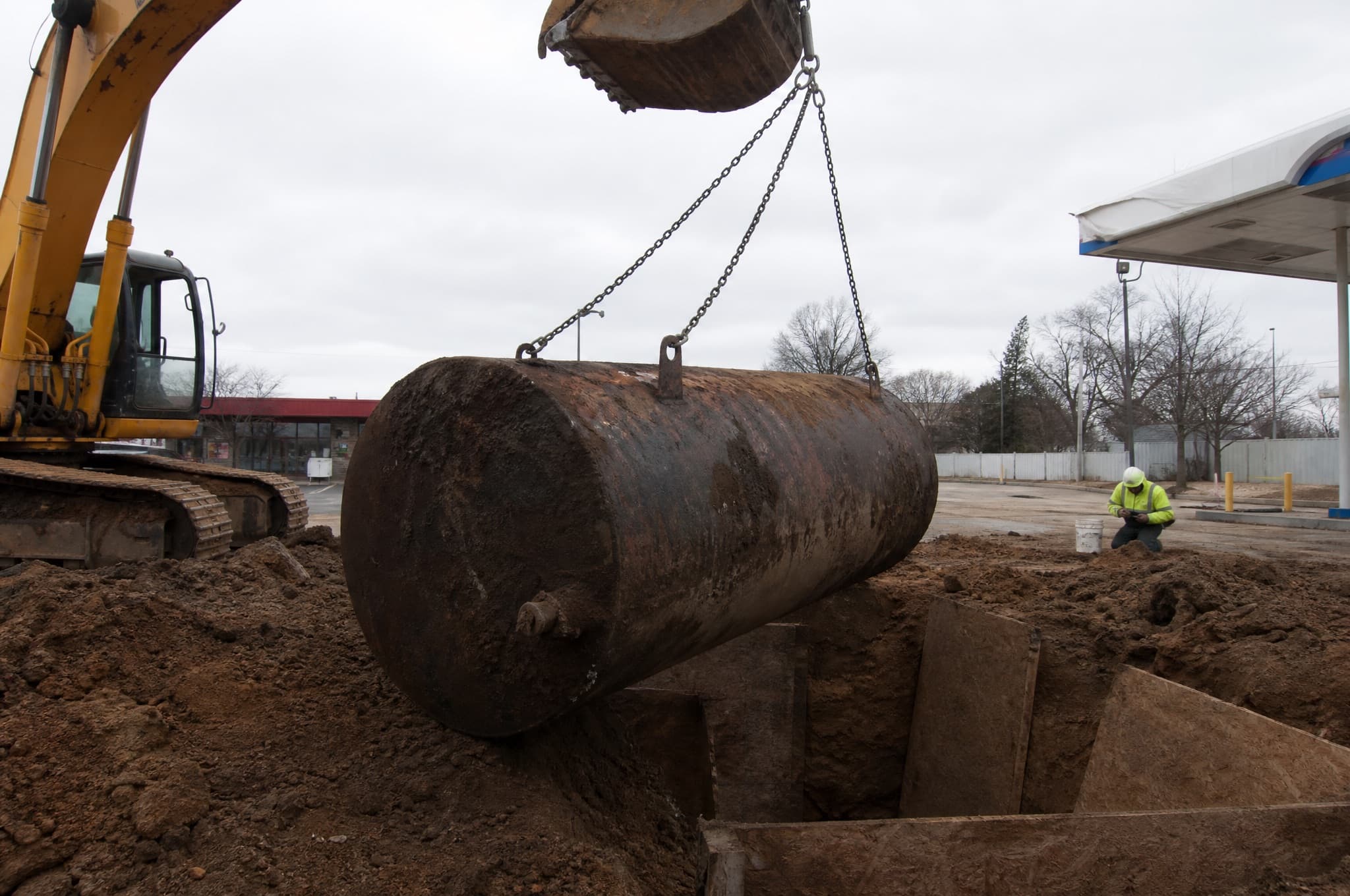
The Virginia Petroleum Storage Tank Fund, explained.
Up to $1,000,000 in state reimbursement for petroleum release cleanup. Here is how it works, who qualifies, and how Zambrano Enterprises helps Virginia tank owners access it.
- $1M
- Maximum reimbursement per occurrence
- 24 hrs
- Window to report a suspected release to DEQ
- 4 gates
- Registration, compliance, timely report, DEQ-overseen cleanup
- NY + VA
- States where ZE handles fuel-system compliance
VPSTF is the state's mechanism for reimbursing petroleum release cleanup up to $1,000,000 per occurrence. Used correctly, it is the difference between a manageable compliance event and a seven-figure out-of-pocket loss.
Zambrano Enterprises works through VPSTF eligibility and claim filings with commercial fueling facilities, fleet operators, hospitals and data centers running generator systems, residential heating oil tank owners, and the real estate professionals representing them.
How VPSTF works
When a petroleum release is discovered at a Virginia facility, the tank owner is required to report it to VA DEQ within 24 hours and begin corrective action. The cost of that cleanup (site assessment, soil and groundwater investigation, remediation, monitoring) can quickly run into the hundreds of thousands of dollars on a moderate release, and into the millions on a complex one.
VPSTF reimburses eligible cleanup costs up to $1,000,000 per occurrence, after the applicable owner deductible. The fund is paid into by tank owners through fees on registered facilities and on petroleum products at the wholesale level. When you pay your registration fees and your fuel surcharges, you are funding the program that reimburses you when something goes wrong.
Who qualifies, and who does not
Eligibility is the part that catches owners off guard. The fund is not automatic. To qualify, the tank generally must clear four gates:
Registered with DEQ
Currently registered, or formerly registered if removed in compliance.
In compliance at release
Met the Virginia UST Technical Regulation (9VAC25-580) at the time of the release.
Reported in time
Release reported to DEQ within the required window, 24 hours for suspected releases.
DEQ-overseen cleanup
Remediation performed under an approved corrective action plan.
Tank owners who let registration lapse, missed compliance milestones (cathodic protection testing, leak detection records, operator training), or did not promptly report the release can find themselves looking at significantly higher deductibles, or full denial of coverage. The eligibility determination is made before reimbursement, and challenging a denial is far harder than getting it right the first time.
Heating oil tanks and real estate transactions
The most common VPSTF engagement we see is during a residential or small commercial real estate transaction. A Phase I or Phase II Environmental Site Assessment turns up an old heating oil tank, or worse, evidence of a past release. Suddenly the closing is at risk, and the buyer, seller and lender are all looking for a path forward.
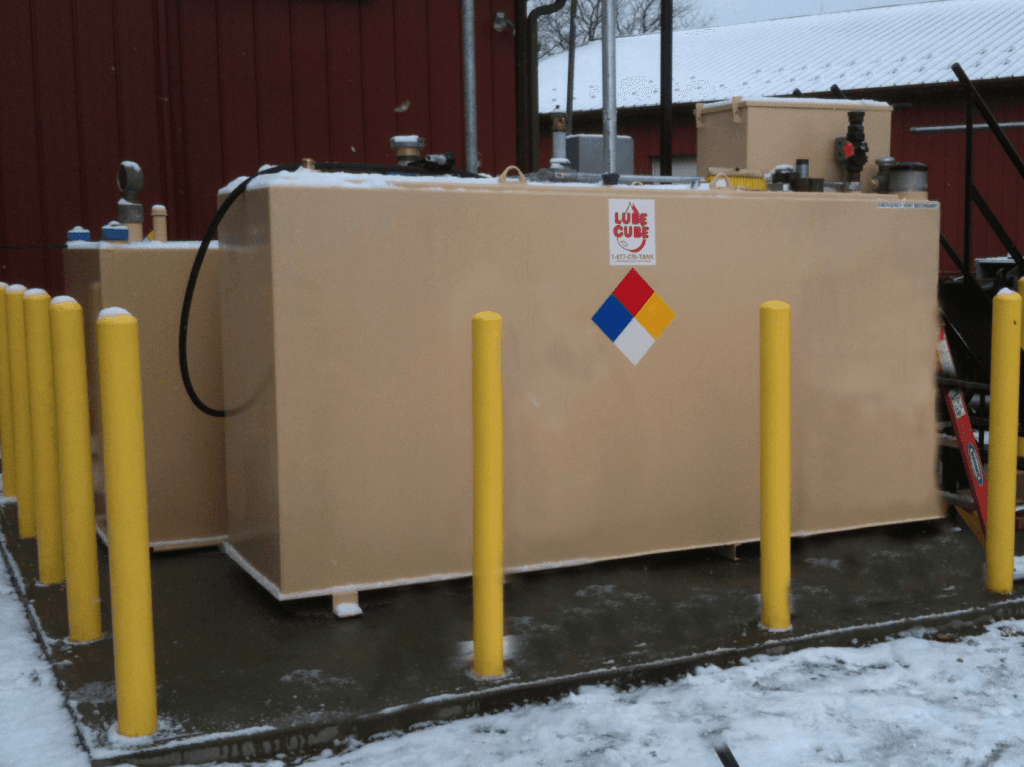
Heating oil releases are one of the cleaner VPSTF eligibility tracks if handled correctly. ZE works with property owners, real estate professionals and lenders to assess the release, properly notify DEQ, develop a corrective action plan, file the VPSTF application, coordinate the cleanup work and submit reimbursement claims. The goal: keep the transaction moving, get the contamination remediated, and get the owner reimbursed.
Commercial USTs, fleet yards and generator systems
Commercial petroleum facilities, service stations, fleet yards, and hospitals and data centers with diesel emergency generator systems face higher deductibles and stricter compliance requirements, but also access to the full $1,000,000 in coverage. For these facilities the most important thing is preventive: keep registration current, maintain clean compliance records, and respond immediately when something appears to be wrong. The cost of being out of compliance when a release happens can dwarf the cost of the cleanup itself.
How ZE helps Virginia tank owners through VPSTF.
Pre-incident audit
Confirm registration is current and compliance records are complete before any gap becomes an eligibility problem.
Release response
Immediate DEQ notification, site assessment and corrective action plan development, coordinated with the remediation contractor.
VPSTF application
Complete the application, assemble supporting documentation and submit on the owner's behalf.
Claim management
Itemize and submit reimbursement claims with invoices as the cleanup progresses.
Closure file
Final corrective action report, DEQ sign-off, and the close-out file every owner should keep.
Common questions, answered straight.
What is the Virginia Petroleum Storage Tank Fund?
The Virginia Petroleum Storage Tank Fund (VPSTF) is a state-administered fund that reimburses owners and operators of petroleum storage tanks for the cost of cleaning up releases of petroleum into the environment. It was established to help tank owners meet federal financial responsibility requirements without carrying full insurance, and to ensure contaminated sites get cleaned up regardless of the owner's ability to pay out of pocket.
How much can the VPSTF reimburse?
The fund can reimburse eligible cleanup costs up to $1,000,000 per occurrence, after the applicable owner deductible. The deductible varies by tank type, ownership, and compliance history. Current commercial underground storage tank operators face a base deductible, with higher deductibles for non-compliance or eligibility gaps.
Who is eligible for VPSTF reimbursement?
Eligibility generally requires: (1) the tank is or was registered with VA DEQ; (2) the tank was in compliance with applicable regulations at the time of the release; (3) the release was reported to DEQ within the required timeframe; and (4) the cleanup work is performed under VA DEQ oversight. Heating oil tank releases at residential properties have a separate eligibility track that is particularly important during real estate transactions.
What costs are eligible for reimbursement?
Site assessment, soil and groundwater investigation, corrective action plan development, soil and water remediation, monitoring well installation and sampling, third-party damage claims, and reasonable consultant and attorney fees related to the cleanup. Tank removal costs are not generally eligible. The fund covers the contamination cleanup, not the tank disposal.
How do I apply for VPSTF reimbursement?
After reporting the release to DEQ, you submit a Tank Fund application along with proof of registration, compliance documentation, and the corrective action work plan. As cleanup proceeds, you submit reimbursement claims with itemized invoices. Zambrano Enterprises helps Virginia tank owners assemble the application, the documentation and the claim filings. The process is bureaucratic but well-defined once you have done it.
Does VPSTF cover above-ground storage tanks?
Coverage is structured primarily around underground storage tanks, but certain above-ground storage tank releases are eligible, particularly heating oil ASTs at residential and small commercial properties. Each release is assessed case by case against current eligibility rules.
What is the deadline to report a release?
Suspected releases must be reported to VA DEQ within 24 hours of discovery. Late reporting can affect VPSTF eligibility and exposes the owner to enforcement penalties, including delivery prohibition for active facilities. If you suspect a release, call right away.
Where a Virginia tank issue usually leads.
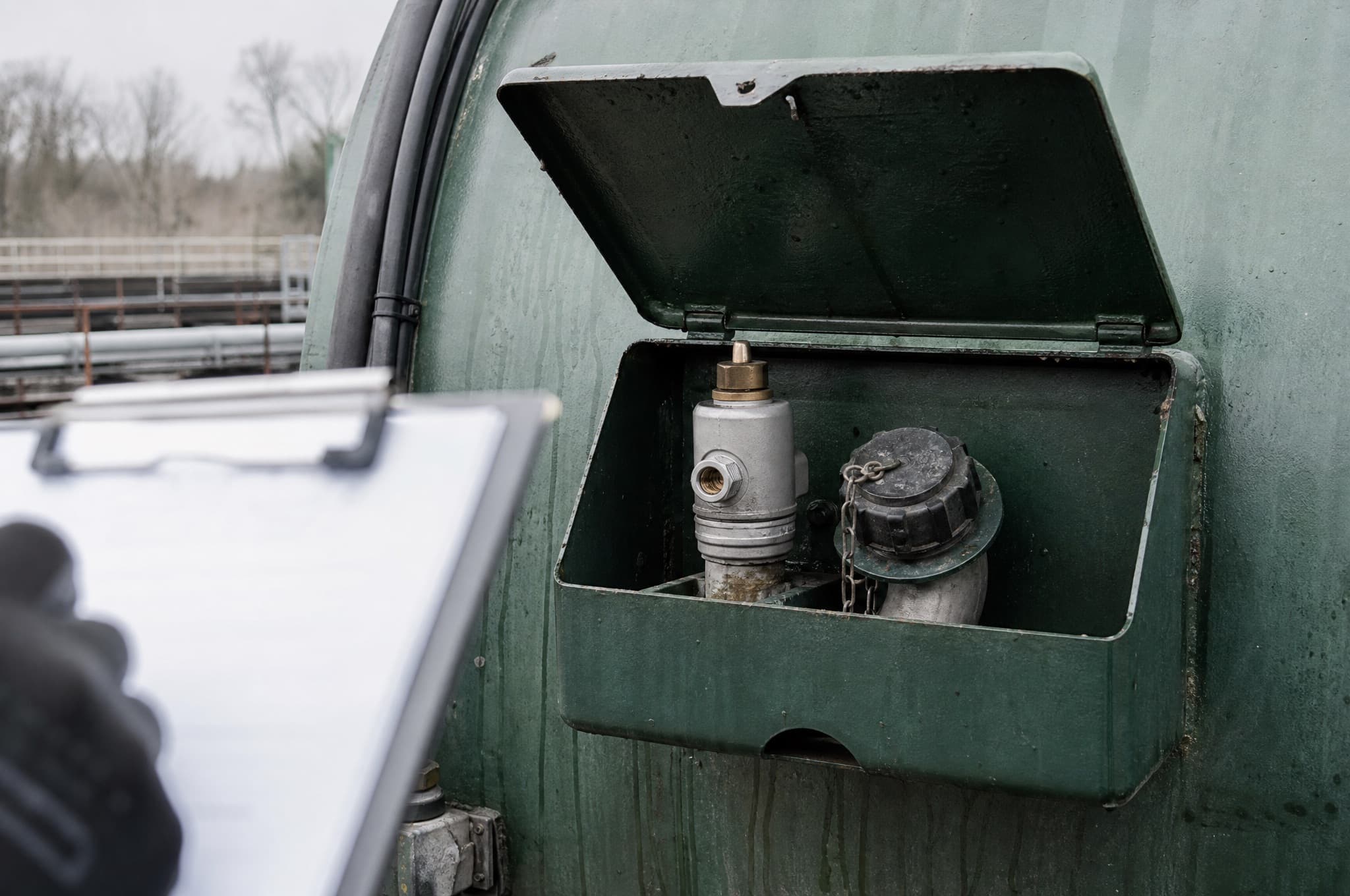
Compliance and Violation Resolution
Failed tightness tests, notices of violation and occupancy holds resolved with a defined corrective path.
Tank Closure and Decommissioning
UST and AST closure planning, agency notification and DEQ deregistration with a clean file at the end.
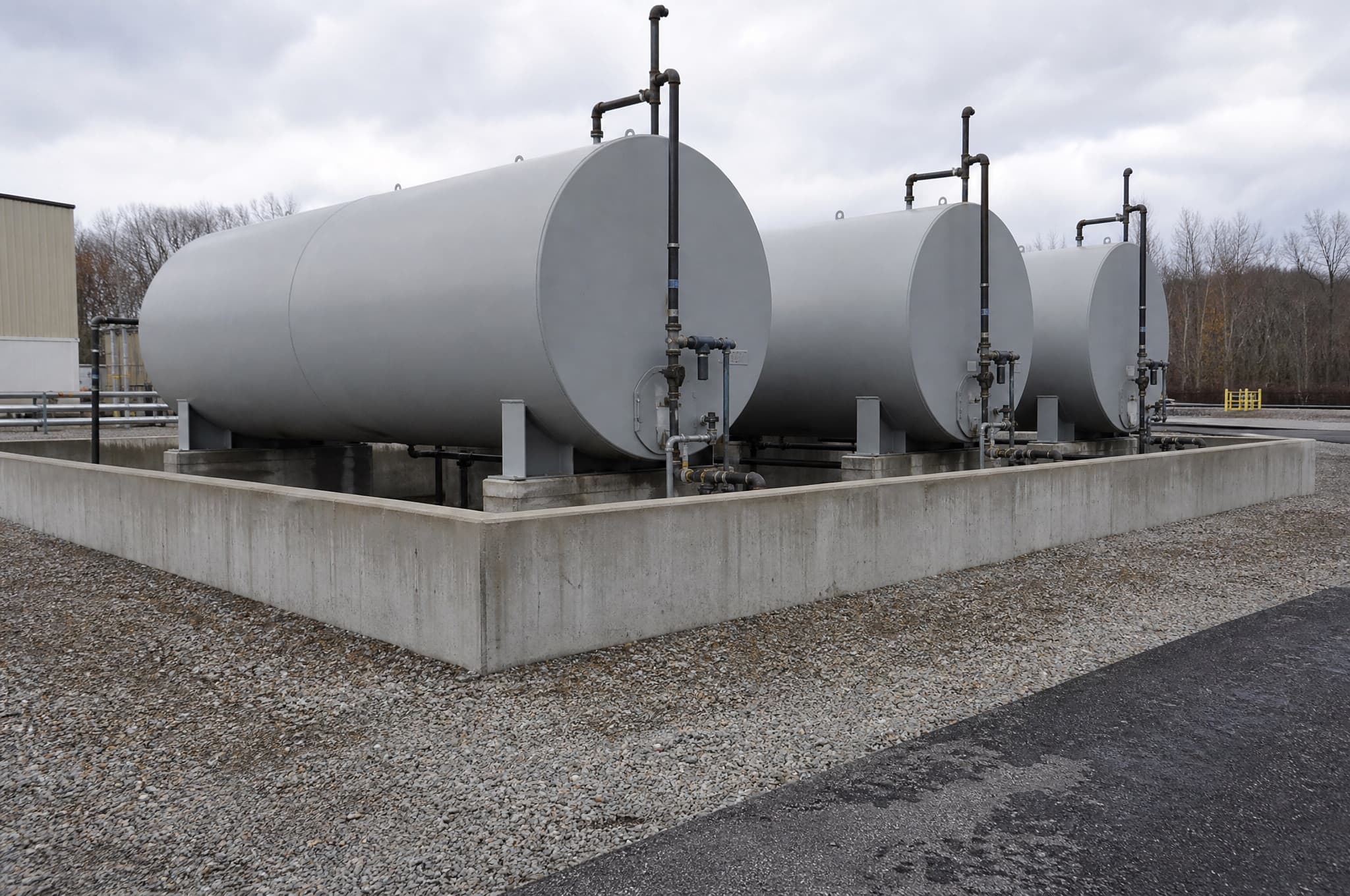
SPCC Plans
Spill Prevention, Control and Countermeasure plans under 40 CFR 112, with PE certification coordinated where required.
Have a Virginia tank issue?
Whether you are auditing compliance ahead of time or responding to a release, Matt will come back with a clear next step. Most inquiries receive a response within one business day.